

Understanding your daily energy rhythm
Afternoon fatigue is one of the most common complaints in Finland, and the drivers are ordinary: long gaps between meals, thin winter daylight, a short night, too much sitting.
What the routine asks of you is small and repeatable: eat at roughly the same times, move daily, get outside before noon, and keep one bedtime.

What vireystila means in practice
Vireystila is the Finnish word for your level of alertness and energy, and public-health writing treats it as a daily rhythm rather than a fixed trait. It rises and falls through the day in a fairly predictable pattern for most people.
That framing matters, because rhythms can be adjusted while personality labels cannot. You are not chronically tired; your day has dips that can be planned around. The levers below are the same ones Finnish health writing returns to every winter: food timing, endurance movement, daylight, and sleep regularity.
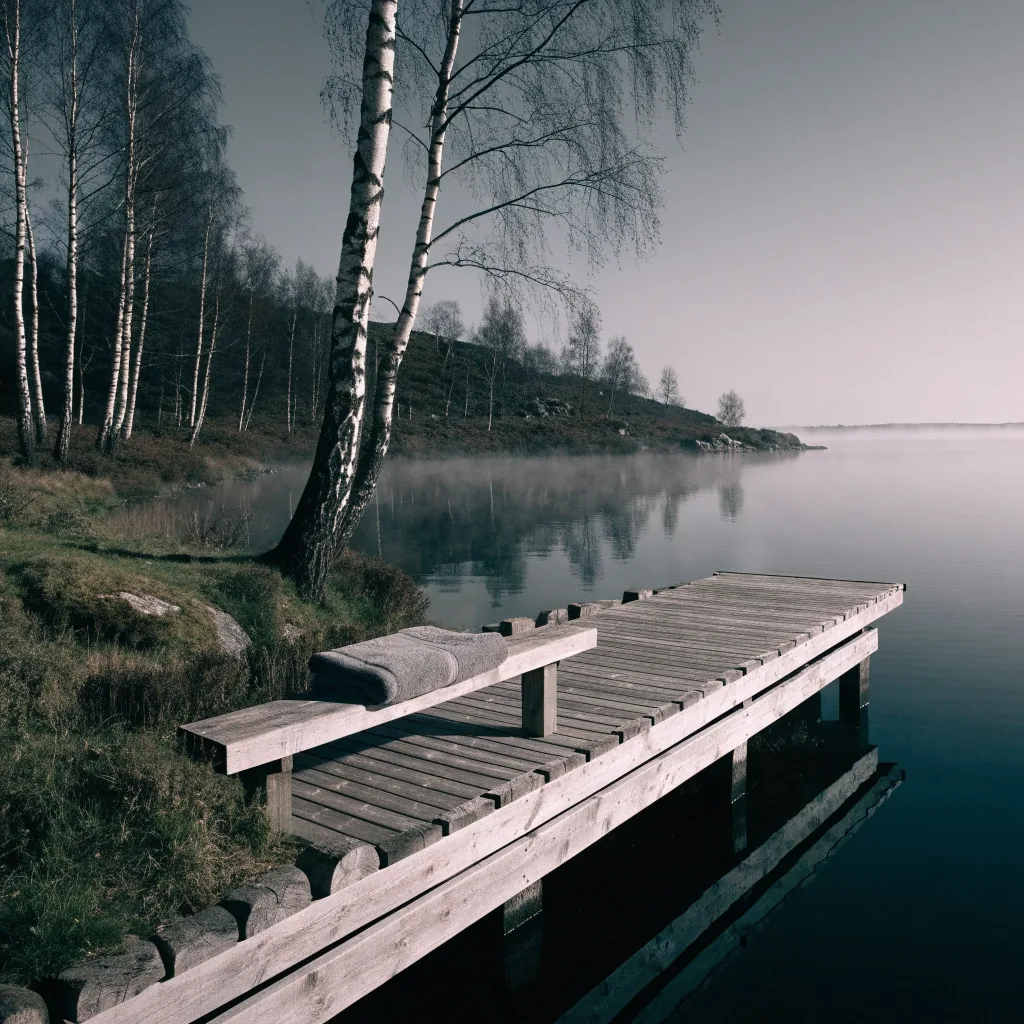
The early-afternoon dip is normal. Its depth is the part you can influence — with the previous night, the previous meal, and the last hour of daylight.
The afternoon dip and what drives it
The early-afternoon drop is normal, but its depth depends on what happened earlier. A long gap between breakfast and lunch, a heavy late dinner the night before, and low daylight all make it sharper.
Standing up and getting outside for ten minutes often does more than another coffee. Caffeine can mask the dip, but it also sits in the system for hours and can push the next night's sleep later.
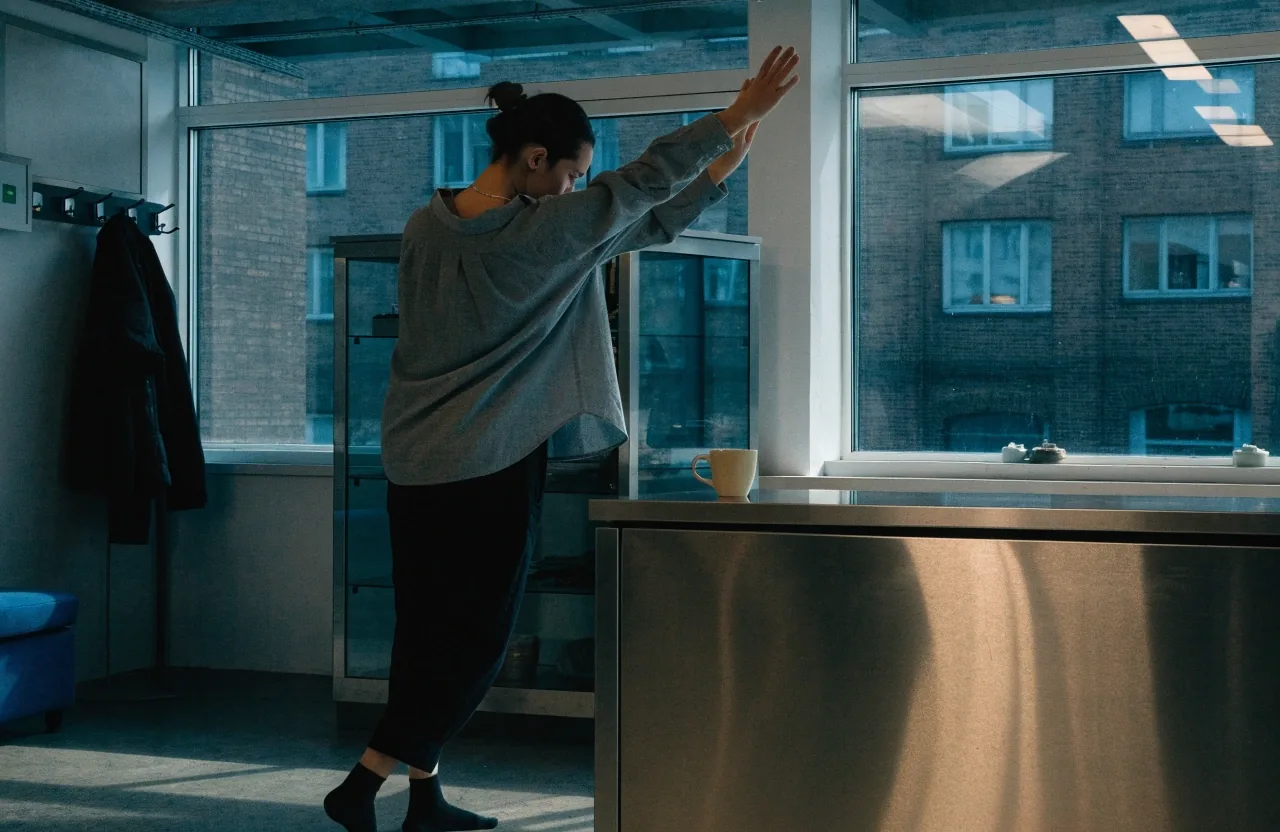

Daylight in the darkest weeks is thin, which is why timing the walk matters more than lengthening it.
Ateriarytmi as fatigue prevention
Eating at roughly the same times each day keeps energy steadier than eating the same amount at random hours. This is the ateriarytmi principle, and it is the single most useful change for most readers.

Five anchors, not five rules
The usual shape is breakfast, lunch, an afternoon snack, dinner, and an optional evening snack. The point is not perfection; it is avoiding very long stretches without food between them.
Slow carbohydrates
Oats, rye, barley and potatoes release energy gradually, which makes the gap to the next meal easier to hold.
Protein at lunch
Fish, eggs, legumes or dairy at midday tends to leave the afternoon flatter than a bread-only lunch does.
Movement that raises energy rather than draining it
Kestävyysliikunta, endurance-style movement such as walking, cycling, or skiing, supports energy and sleep without requiring recovery days. The dose matters more than the format: regular moderate activity helps, and occasional hard sessions do not compensate for a sedentary week.
A daily walk in whatever weather exists. In Finland's climate, function beats ambition.
Thirty minutes most days, split freely. Two fifteen-minute walks count the same as one long one.
Consistency over months is what supports sleep and long-term functional capacity, not a single good week.
Light exposure and the low-light season
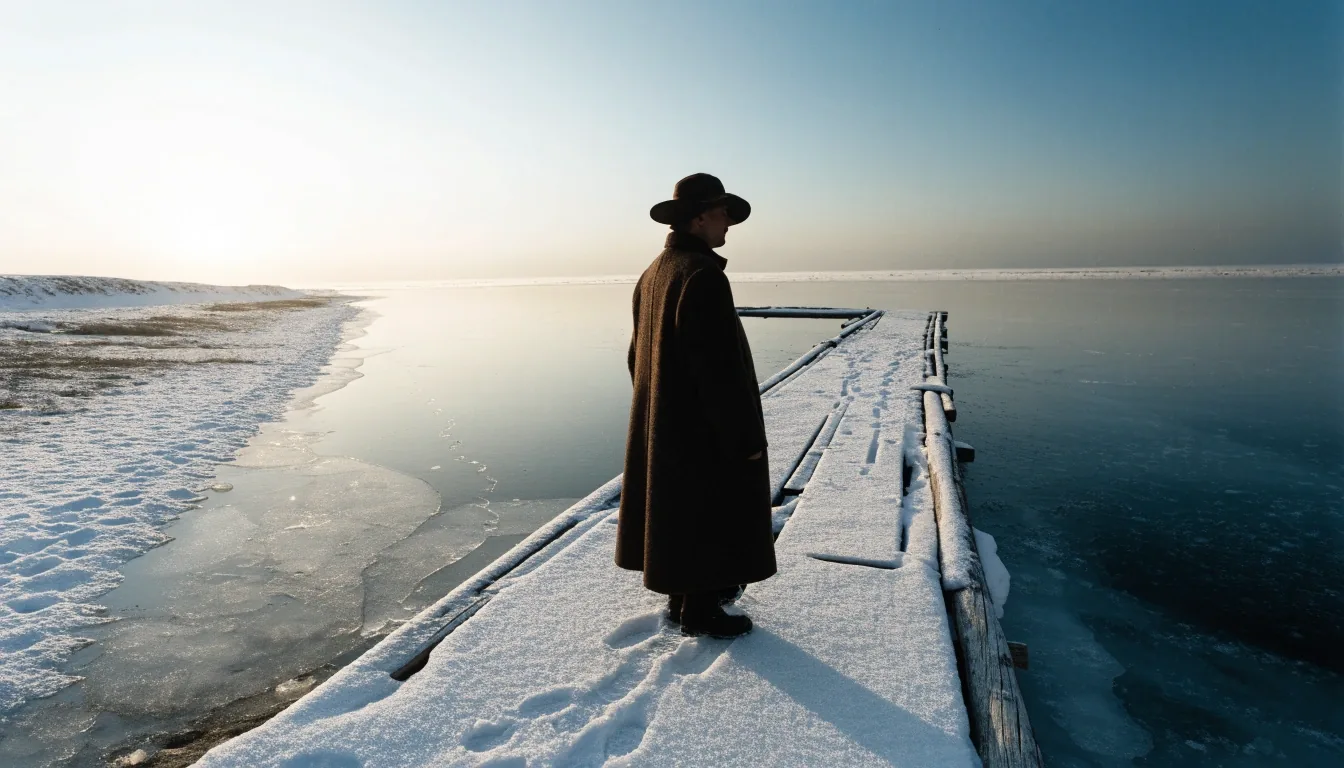
Daylight is a direct input to alertness, and Finland's winter limits it sharply. Morning light, even weak winter light, helps set the daily rhythm, so getting outside before noon is worth the effort.
In the darkest weeks, Finnish winter health guidance treats low light as a predictable seasonal issue rather than a personal weakness. A short outdoor walk before work does the same job as a longer one after it, and it does it earlier in the day.
Recovery, sleep, and next-day capacity
Functional capacity is what you can still do at the end of a normal day, and sleep is the main thing that sets it. A regular bedtime and wake time supports energy more reliably than an occasional long lie-in.
One bedtime
Going to bed and waking at roughly the same times, including weekends, keeps the rhythm from resetting every Monday.
Late meals and alcohol
Both fragment sleep without always being obvious the next morning. Moving dinner an hour earlier is often enough to notice a difference.
Where to look next
If fatigue persists after the basics are steady, the sleep page covers evening routine, bedroom conditions, and light in more depth.

Cold-water swimming is a Finnish habit, not a cure. Treated as a regular, brief recovery ritual it sits well beside the meal, light and sleep levers above.
What helps without supplements
Most supplements marketed for energy do not address the causes above. If meals are irregular and sleep is short, no capsule corrects that combination.
Vitamin D is a separate seasonal topic with its own Finnish guidance and its own page. For everything else, lifestyle levers come first, and they are free.
Ordinary levers, in the order they usually help
-
First
Steady meal times, so blood sugar and appetite stop oscillating across the day.
-
Second
Daylight before noon, in whatever weather is on offer, even briefly.
-
Third
Daily moderate movement, most days of the week, in any format you will repeat.
-
Fourth
A consistent bedtime, kept on the weekends as well as the weekdays.
Vitamin D and other specific nutrient questions belong with a qualified professional or the Finnish seasonal guidance, not with a general energy supplement.
Signs it is worth talking to a professional
Ongoing fatigue that does not respond to routine changes deserves a proper conversation with a clinician rather than more self-experimentation. This is especially true if it comes with breathlessness, noticeable weight change, or low mood that persists.
Nothing on this page is a diagnosis. We describe habits, and we are clear about where lifestyle guidance ends.
Common questions
Short answers to the questions readers send most often about afternoon fatigue and steady energy.
Why is afternoon fatigue so common, and what helps without supplements?
It usually comes from long gaps between meals, low daylight, and a short night. Steady meal times, a short walk outside, and a consistent bedtime address the cause rather than masking it.
How much exercise is enough if the goal is better sleep and longevity?
Regular moderate movement matters more than intensity. Daily walking, cycling, or skiing adds up, and consistency over months is what supports sleep and long-term capacity.
Is afternoon coffee a problem?
It is not forbidden, but caffeine stays in the system for hours. An early-afternoon coffee is usually easier on sleep than one at four in the afternoon.
Start with this week's evening
Pick one lever and hold it for seven days. The sleep guide walks through the evening routine in detail, and our editors answer reader questions by email during opening hours.
Keilaranta 1, 02150 Espoo, Finland
Monday to Friday, 9:00–18:00 · Saturday, 10:00–14:00