
Everyday routines, built to hold through winter
Body care that lasts
Movement that fits your week, recovery that fits the climate, and habits that survive a move or a job change — the ordinary version of longevity.
Longevity writing drifts into abstractions about lifespan. The daily version is plainer: keep one routine going for years.
What longevity habits actually look like
The habits linked to long-term wellbeing are unremarkable: regular movement, enough sleep, eating patterns built on plants and fish, and steady social contact. None of them produce quick results, which is precisely why they hold up. The interesting question is not what to do but how to keep doing it through a Finnish winter — that is where most plans quietly fail.
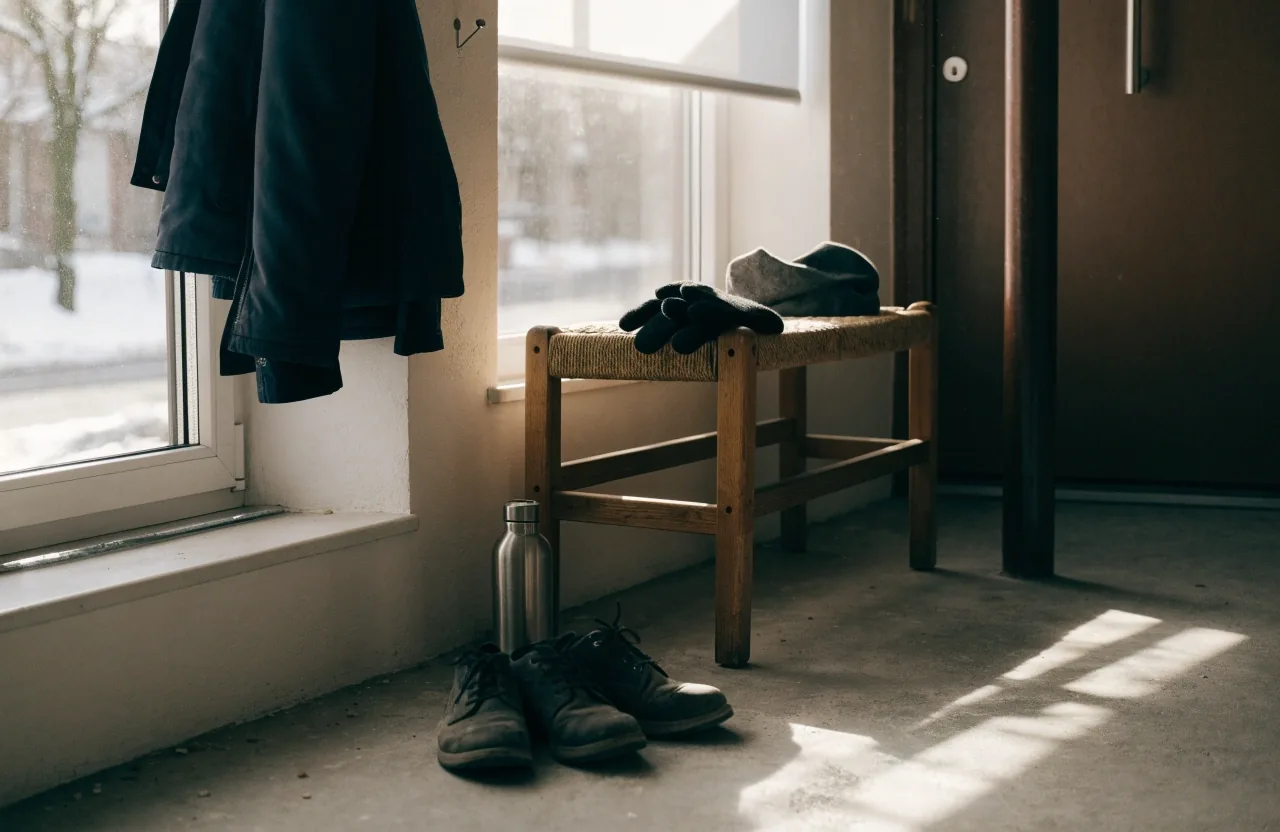
The gear that actually gets used is the routine that survives February.
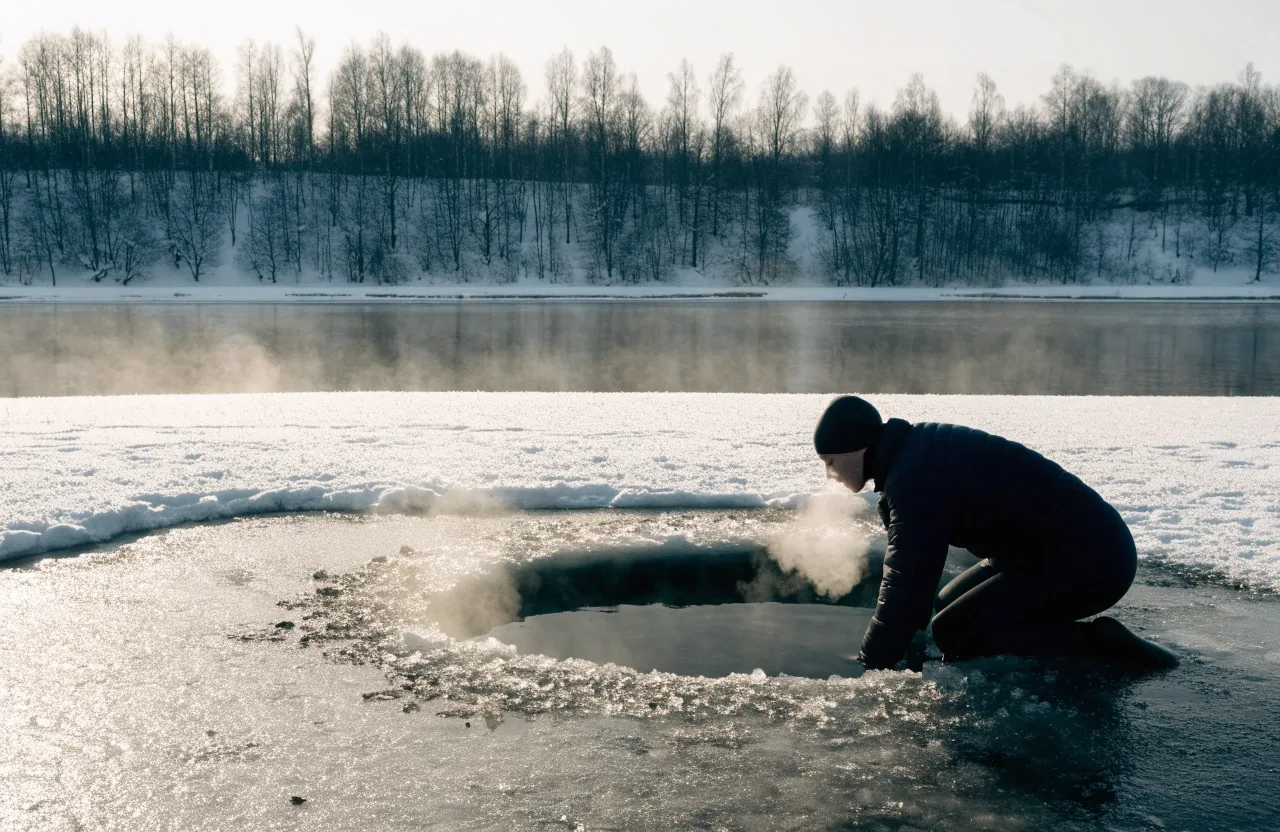
Endurance-style movement does not require intensity — walking, cycling, skiing and swimming all count toward the same everyday capacity.
Finnish activity levels in context
Finland's health profile puts life expectancy at 81.6 years, slightly above the OECD average, and describes the country as relatively active compared with peers. The same profile notes that around 12% of adults do not get enough physical activity. Two things follow: good routines are normal here, and the remaining gap is mostly about consistency rather than knowledge.
Life expectancy
81.6 years
Slightly above the OECD average — longevity is a background condition here, not a project.
Relative activity
Above peers
The same profile describes Finland as relatively active — a lot of this is walking, cycling and yard work, not gym time.
Not active enough
About 12% of adults
For most people the useful change is a smaller, repeatable one — a standing walk, a shift in commute — not a new sport.
Figures as reported in Finland's national health profile (Health at a Glance: Finland). Treat them as context, not a target.
Kestävyysliikunta and functional capacity
Endurance-style movement supports the heart, sleep and everyday stamina, and it does not require intensity. Walking, cycling, skiing and swimming all count, and Finland makes most of them accessible for much of the year.
Functional capacity is the practical measure: can you carry shopping up stairs, walk in snow, and still have energy in the evening. Train for the daily tasks and the broader benefits follow from the same work.
Cold water, sauna and recovery culture
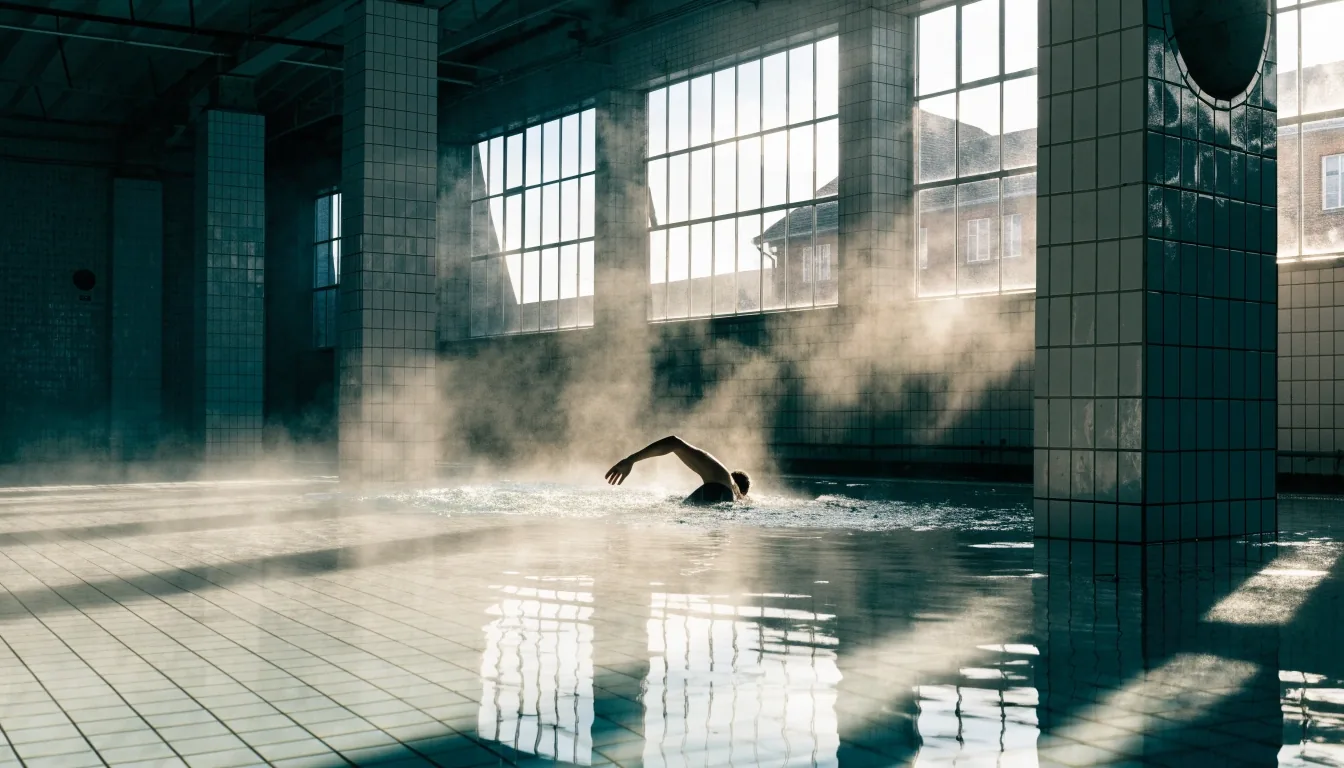
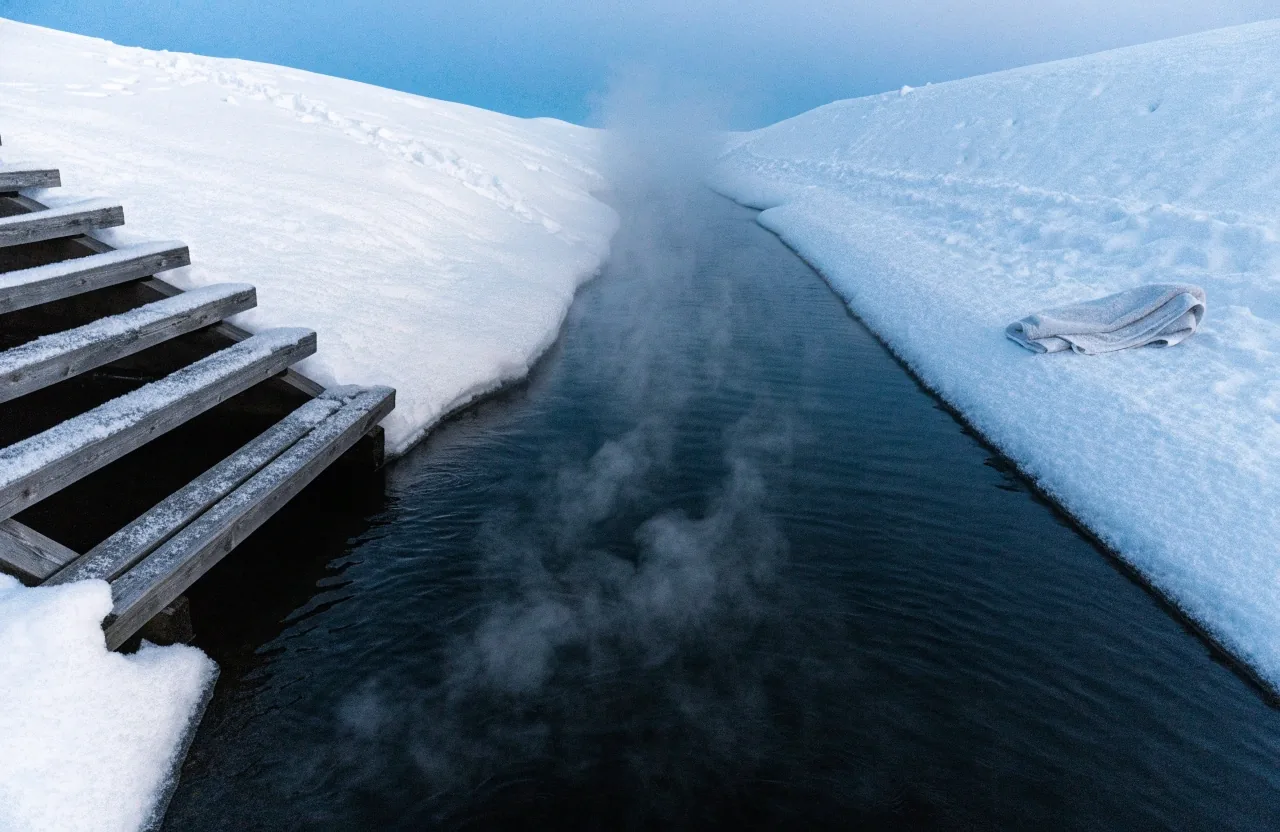
Outdoor swimming appears in Finnish lifestyle coverage as a year-round habit, often paired with sauna and framed around stress relief. It belongs to a broader recovery culture rather than a treatment for anything. Approached gradually it becomes a regular part of the week for many people.
Winter swimming, approached slowly
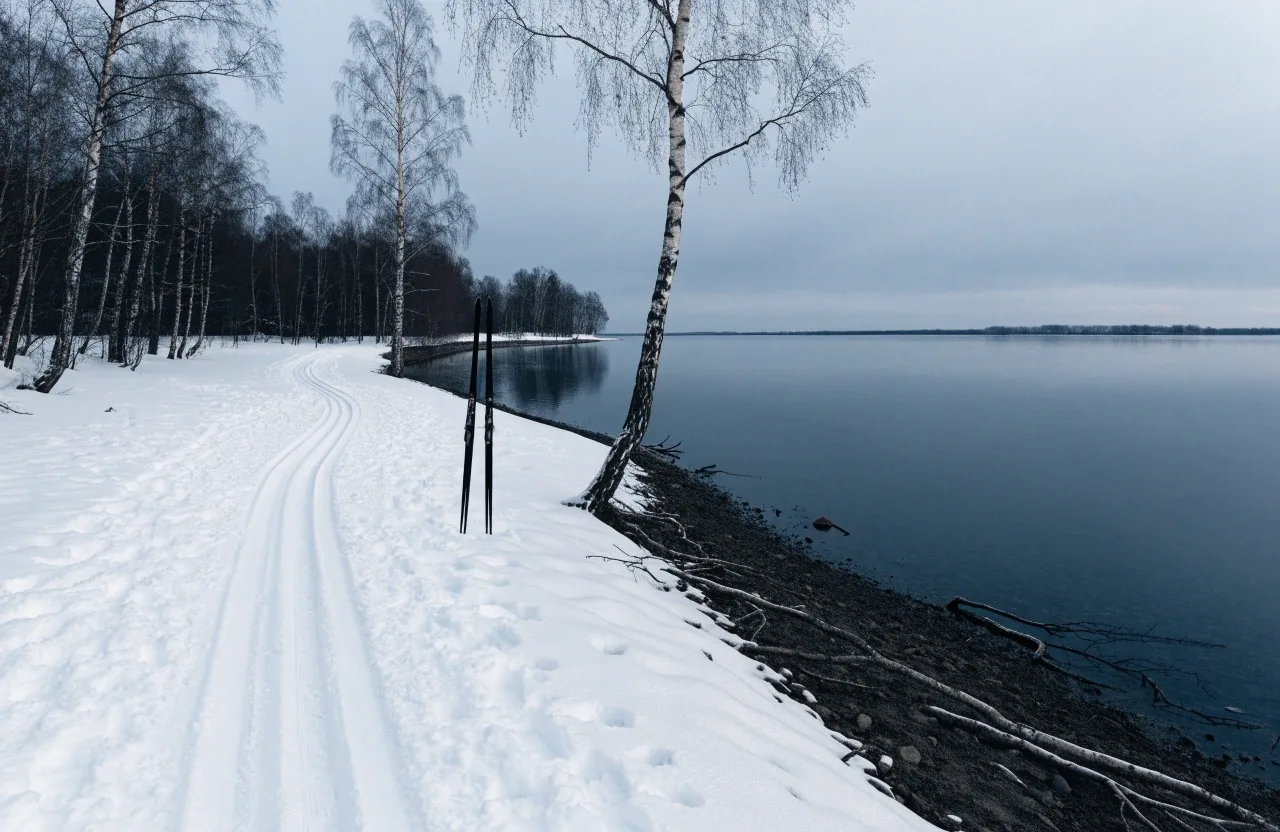
If you are new to cold water, start in warmer months and build tolerance through the autumn. Brief dips, breathing before entry and a warm room afterwards do the work; the clock is not the point. It is one recovery habit among several, not a requirement for long-term wellbeing.
Sauna as a normal evening
The sauna tradition here is unremarkable and social. Two or three rounds after a walk, warm down after, and the habit costs nothing to keep.
Wind-down that isn't a ritual
No app, no tracker. An unhurried last hour, dimmer light and a fixed bedtime do more than any device bought for the purpose.
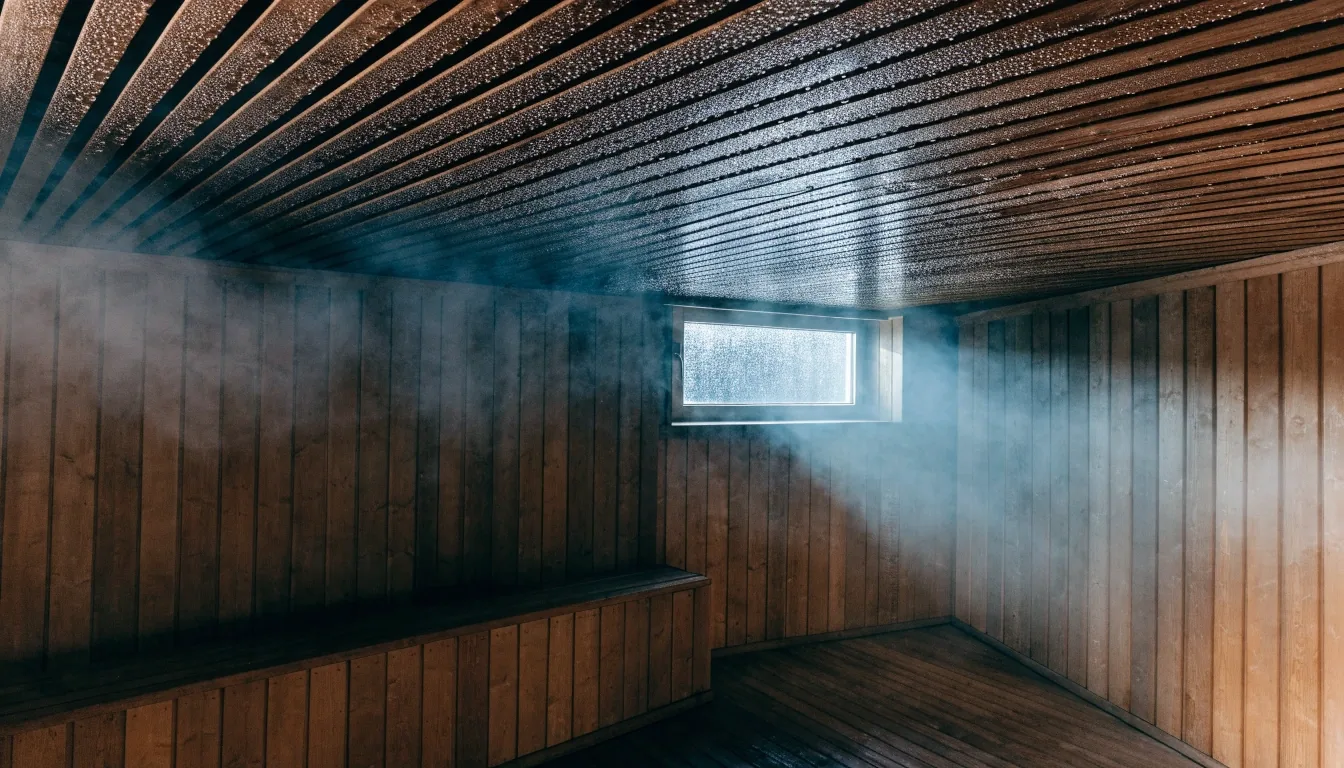
Recovery culture in Finland is public infrastructure: shared pools, shared saunas, and habits that do not depend on buying anything new.
Body care for skin and joints in dry air
Finnish winters are hard on skin and joints in ways that are easy to overlook. Indoor heating dries skin, cold outdoor air adds to it, and long static periods stiffen joints more than cold alone. The fixes are small and repeatable.
Moisturise after every shower through the cold months — the heated indoors are the part that dries most people out.
Move the joints you just chilled — a short walk or gentle mobility work after cold exposure beats sitting still to warm up.
Keep the base layer dry against the skin and change out of damp clothes when you get back inside.
These are maintenance habits, repeated through the season rather than saved for spring. If a joint stays painful or a skin change does not settle, that is a question for a clinician, not for a routine.
Rest as part of the programme
Rest is not the opposite of training; it is where the benefits settle. Sleep, easy days and unhurried evenings all support the same system, and skipping them eventually shows up in motivation and mood. Finnish recovery culture treats this as normal rather than indulgent.
Build rest into the week deliberately and the rest of the routine lasts longer. If sleep is the weak link, the basics are worth a separate look.
See the healthy sleep basics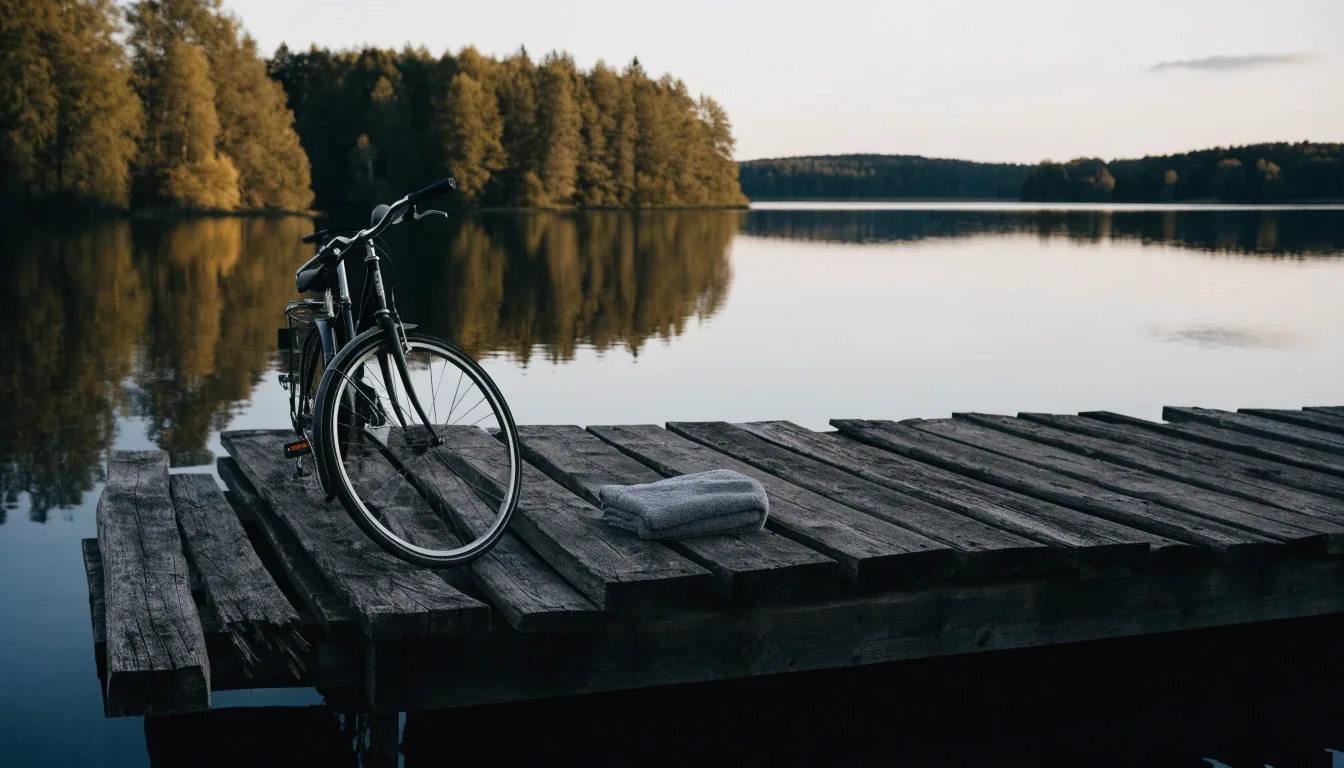
Keeping habits through seasonal change
Habits that depend on one season break when that season ends. A summer cycling routine needs a winter version, and a winter sauna routine needs a lighter summer form. Planning the transition in advance is more effective than improvising when the weather turns.
This is the practical skill behind long-term wellbeing, and it is learnable. Set the swap before the season changes, not the week you lose the habit.
Plan your dark-season routineQuestions readers send us
The two we get most often, answered plainly. If yours is not here, the desk reads every message.
How much exercise is enough for better sleep and longevity?
Regular moderate movement matters more than intensity. Daily walking, cycling or skiing supports both sleep and long-term wellbeing, and consistency over months is what counts. A short walk you actually take beats a hard session you skip.
Is cold-water swimming necessary for longevity?
No. It is a recovery habit many people in Finland enjoy, but it is not required for long-term wellbeing. Walking, sleep and food patterns carry more of the effect, and cold water is best treated as one part of a wider week rather than a fix on its own.
Where the routine goes next
Longevity routines get built from the chapters you actually keep. If fatigue is the thing that breaks your week, or the dark season is the part that drains it, those pieces are worth reading before adding anything new.
Editorial desk, Keilaranta 1, 00100 Helsinki · Monday to Friday 9:00–18:00, Saturday 10:00–14:00